Power Plants See Fewer Emissions Regulations as EPA Repeals Greenhouse Gas Limits
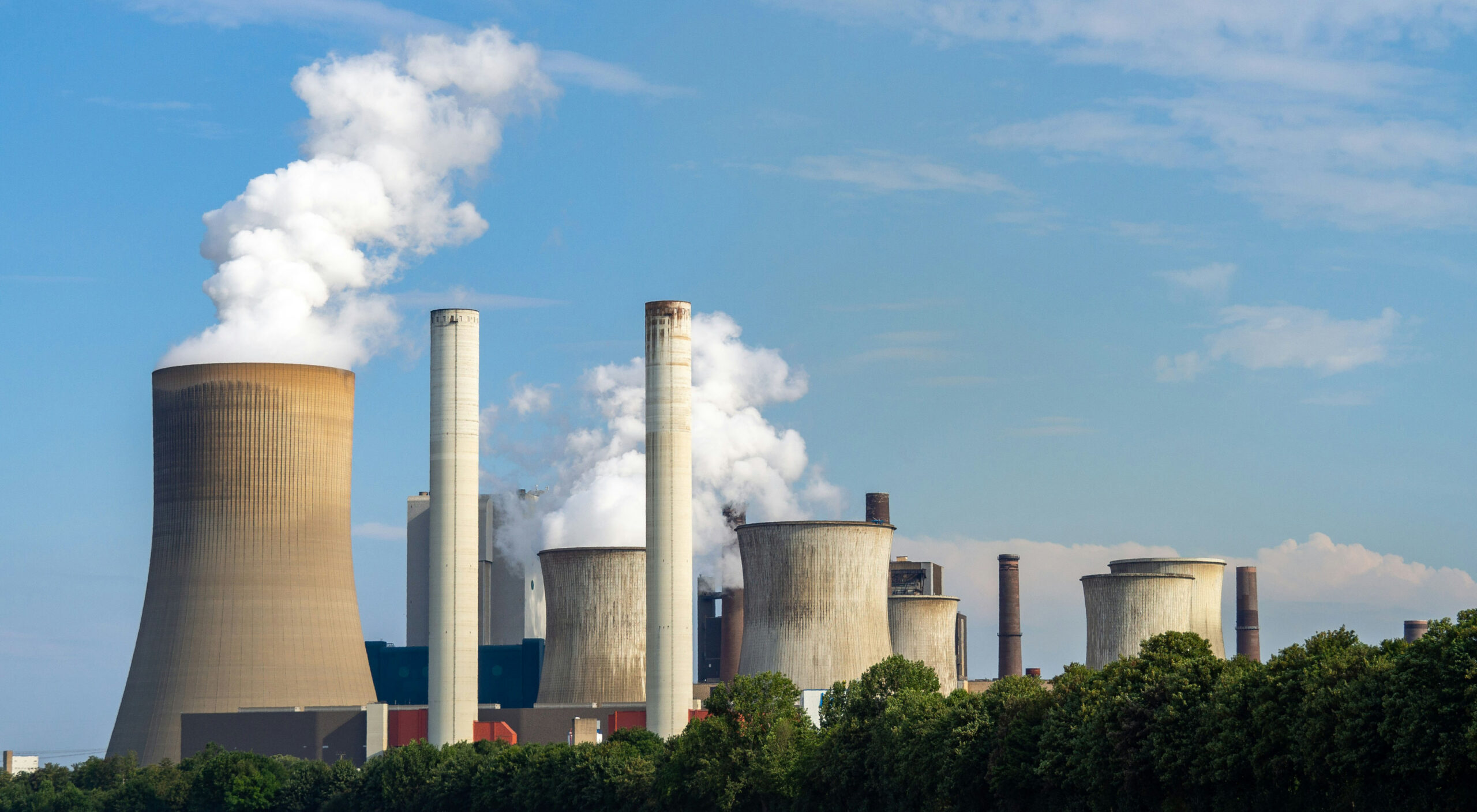
On Sept. 14, the Environmental Protection Agency (EPA) finalized a partial repeal of the Carbon Pollution Standards for Fossil Fuel-Fired Electric Generating Units. The Carbon Pollution Standards, enacted in 2024, required new and existing fossil fuel-fired power plants to lower greenhouse gas emissions, notably requiring 90% carbon capture and storage (CCS) for certain coal-fired electric generating units (EGUs). EPA has now rescinded this requirement and paired the repeal with a supplemental proposal to repeal all other greenhouse gas limitations for power plants. For energy companies, these actions eliminate major compliance barriers; EPA estimates the repeal of the 2024 Carbon Pollution Standards will result in $310 billion in social cost savings. As with prior greenhouse gas rulemakings, environmental advocacy organizations and others have already announced plans to oppose the repeal in court. Overall, EPA’s action will likely spark another round of litigation over the agency’s authority to regulate greenhouse gas emissions under the Clean Air Act.
A Brief History of EPA’s Carbon Standards for Power Plants
The repeal comes on the heels of nearly two decades of litigation and rulemaking over whether and how EPA should regulate greenhouse gases (GHGs). The 2007 U.S. Supreme Court decision in Massachusetts v. EPA, paired with the EPA’s 2009 Endangerment Finding, stood for the proposition that EPA can and should regulate GHGs. Consistent with this, the Obama administration’s EPA released the Clean Power Plan in 2015, which, in part, relied on generation-shifting to reduce fossil fuel power generation. In 2019, the Trump administration’s EPA replaced the Clean Power Plan with the Affordable Clean Energy Rule, which required modest heat rate improvements to reduce GHGs and gave states the flexibility to establish their own standards. The repeal of the Clean Power Plan and the new Affordable Clean Energy Rule that replaced it were appealed, and eventually led to the U.S. Supreme Court’s seminal decision in West Virginia v. EPA. In that case, the court held that Congress did not grant EPA the authority under the Clean Air Act to devise emissions caps based on shifting power generation from fossil fuel sources to other sources with lower GHG emissions.
The Biden administration’s EPA subsequently replaced the Affordable Clean Energy Rule with the Carbon Pollution Standards in 2024, which established new stringent GHG emission targets for fossil fuel power plants based on implementing co-firing or carbon capture technology. But quickly after coming into office, President Trump, in his second term, issued numerous executive orders on environmental matters, including orders focused on GHG emissions and the 2009 Endangerment Finding. Accordingly, in June 2025, EPA proposed the repeal of the Carbon Pollution Standards, and in February 2026, EPA repealed the Endangerment Finding for GHGs. EPA’s new final action is the culmination of those prior rulemakings.
The 2026 Repeal
Earlier this week, EPA Administrator Lee Zeldin announced a partial repeal of the 2024 Carbon Pollution Standards at the G20 Energy Ministerial in Houston, Texas. The repeal itself does not fully eliminate the Carbon Pollution Standards, but does remove most of its provisions, including: (1) emissions guidelines for existing fossil fuel-fired steam generating units; (2) CCS standards for coal-fired steam generating units undergoing large modifications; and (3) the 2024 CCS-based standards for new baseload stationary combustion turbines. However, the energy-efficiency-based requirements for new and reconstructed baseload and intermediate-load combustion turbines have not been repealed and are the subject of a separate proposed rulemaking discussed below.
Zeldin has lauded the repeal as a catalyst for job growth and lower consumer costs, although these benefits are slightly distinct from the repeal’s legal basis. The Clean Air Act requires the EPA to adequately demonstrate that a required technology is the Best System of Emissions Reduction, or BSER. In its rulemaking, EPA concludes that the 2024 regulations did not meet this standard, so the regulations are therefore unlawful. EPA also states that the CCS requirements were unachievable, effectively forcing many plants out of business, running afoul of the U.S. Supreme Court decision in West Virginia v. EPA.
Along with the repeal, EPA has proposed to rescind all GHG emission standards for stationary fossil fuel-fired EGUs, stating that section 111 of the Clean Air Act does not permit EPA to use global climate change as a reason to regulate power plant emissions. The effect of this proposal, if finalized, would be to fully repeal the 2015 GHG New Source Performance Standards and the remainder of the 2024 Carbon Pollution Standards. The proposal would not impact criteria-pollutant standards and other regulations applicable to fossil fuel-fired EGUs.
Going Forward
The repeal will become effective sixty days after it is published in the Federal Register, but many groups are already reacting to the announcement. Supporters of the rule have celebrated the repeal, as EPA claims the ruling would result in $310 billion in savings, and the supplemental proposal, if adopted, would save the industry $370 million in direct compliance costs. However, those savings, like other aspects of the rule, are likely to be contested by opponents of the repeal.
Although the repeal is not yet effective, opponents have already filed suit in the D.C. Circuit, and more lawsuits are likely to follow. The supplemental proposal will soon be open for public comment after it is published in the Federal Register, and it is likely to garner a significant number of comments, similar to prior EPA rulemakings on power plant GHG emissions.
Taft associate Hillary Nienhouse, admission in Indiana pending, co-authored this article.
In This Article
You May Also Like
EPA and Army Corps Propose Narrower Definitions Affecting WOTUS Jurisdiction EPA Withdraws Endangerment Finding, Rescinds Vehicle GHG Emission Standards